
6 Most Common Causes Of Itchy Bumps On Skin
Itchy bumps on the skin are very common and can happen at any age. They may appear suddenly or develop over time. Sometimes they come and go, and other times they last for weeks or months. understanding what might be causing them can help you treat them correctly and know when to see a doctor. Here are the 6 most common reasons people develop itchy bumps on their skin.
Number 1 of 6 is one of the most common causes. Eczema, also called atopic dermatitis is a very common reason people have itchy bumps on their skin. Eczema shows up as dry, red, itchy patches with small bumps. The skin may crack, flake, or even ooze in severe cases.
Eczema happens when the skin barrier is weak, allowing moisture to escape and irritants to get in. This makes the skin very sensitive. Itching can be intense and scratching often makes it worse, leading to thicker, darker skin over time. Eczema is common in children but can affect adults as well, especially during times of stress, cold weather, or exposure to harsh soaps.
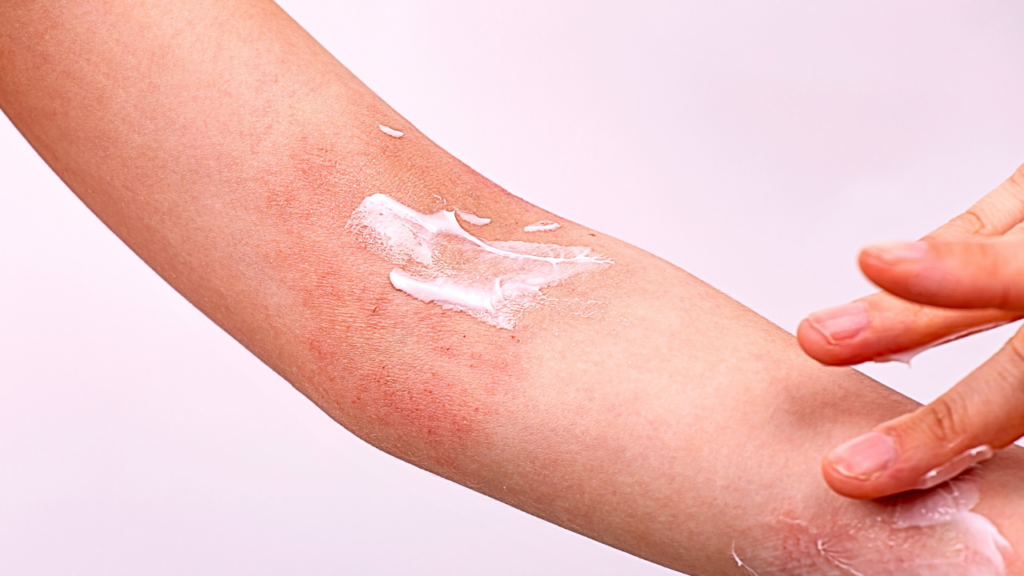
The first-line treatment for eczema is regular use of thick, fragrance-free moisturizers along with low-strength topical steroid creams during flares.
The 2nd frequent cause of itchy bumps is bug bites. Mosquitoes, bed bugs, fleas, and mites can all cause small, raised bumps that itch a lot. These bumps are the body’s allergic reaction to proteins in the insect’s saliva. Bug bites often appear in clusters or lines and are usually more noticeable on exposed skin like the arms, legs, or neck.
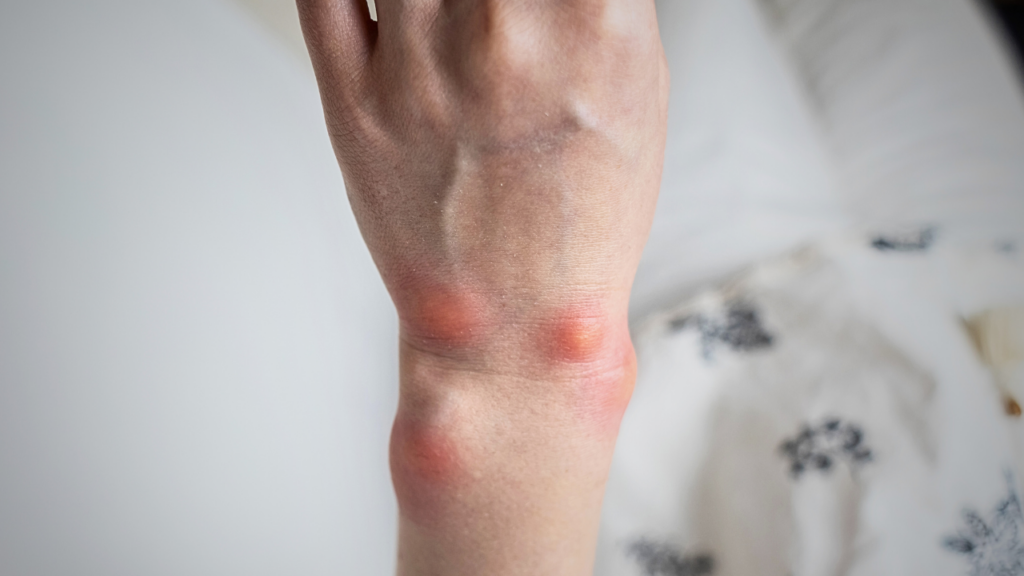
The itching can last for days and scratching can lead to swelling, scabbing, or infection. Bed bug bites, in particular, often show up overnight and may appear in groups.
The first-line treatment for itchy bug bites is a cold compress and a topical anti-itch cream such as hydrocortisone or calamine lotion.
A third cause of itchy bumps on the skin is hives. Hives, known as urticaria, are another common reason for itchy skin bumps. Hives are raised, red or skin-colored welts that can change shape and move around the body. One spot may disappear while another shows up somewhere else.
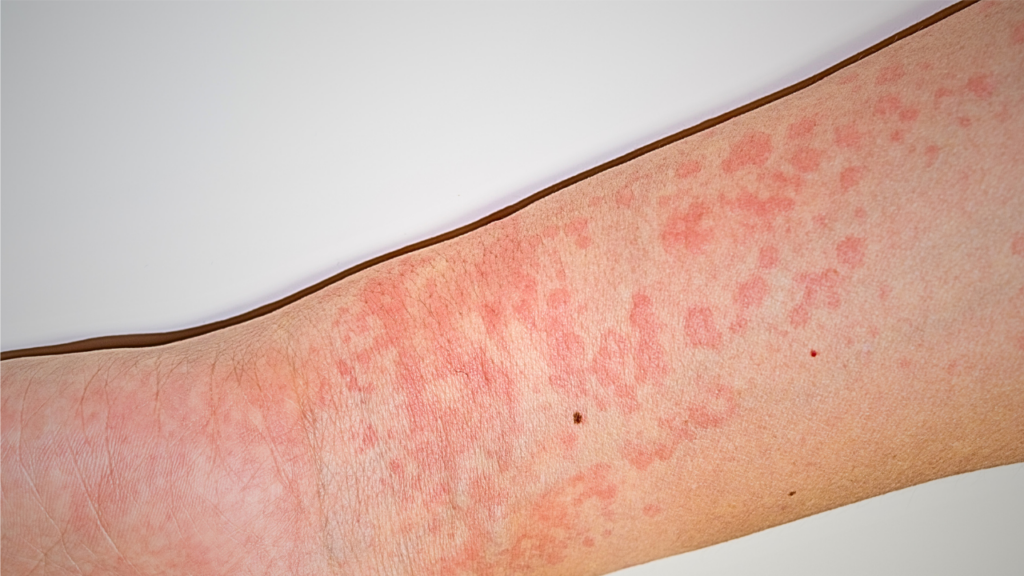
Hives are caused by the release of histamine, often triggered by allergies, infections, medications, stress, or temperature changes. They are usually very itchy but not scaly. Most hives last less than 24 hours in one location, but new ones may continue to appear for days or weeks.
The first-line treatment for hives is an oral antihistamine, such as cetirizine or loratadine, to block histamine and reduce itching and swelling. If you are having difficulty breathing, be sure to call 911 or go to an emergency room.
A fourth cause is Folliculitis. Folliculitis happens when your hair follicles become inflamed or infected. It often looks like small red or white bumps centered around hair follicles and can be itchy or tender.
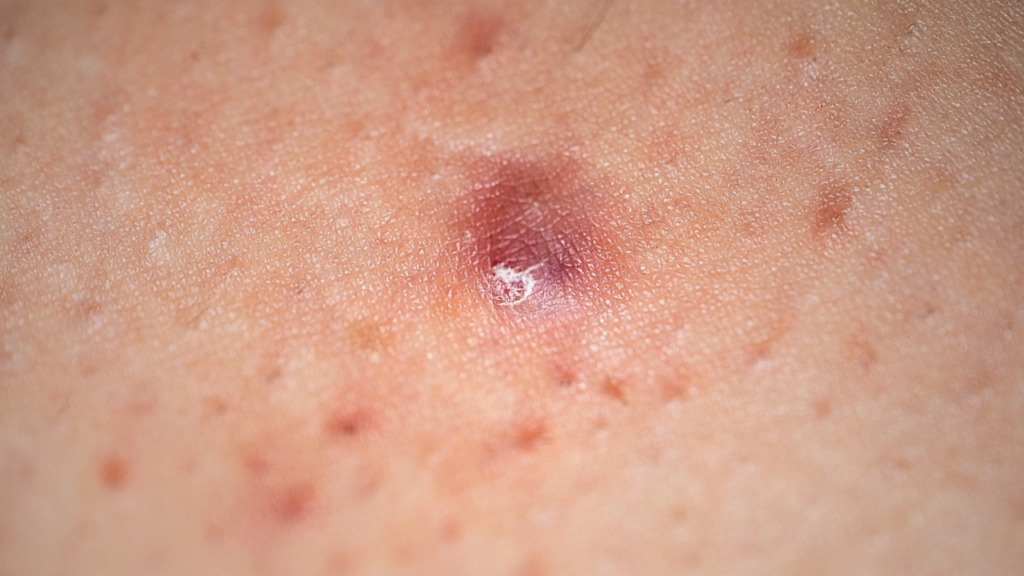
Folliculitis is commonly caused by bacteria, yeast, friction from tight clothing, shaving, or sweating. It often appears on areas like the thighs, buttocks, chest, back, or scalp. Mild cases may clear on their own, but more severe cases can spread or become painful if not treated.
The first-line treatment for folliculitis is gentle skin cleansing, warm compresses, avoiding friction or shaving, and using an antibacterial wash if needed.
A fifth cause is also related to hair follicles. Keratosis pilaris is a condition that causes small bumps, usually on the upper arms, thighs, cheeks, or buttocks. These bumps feel rough, like sandpaper, and are caused by a buildup of keratin that plugs hair follicles.
Keratosis pilaris does not always itch, but some people do notice mild itching or irritation, especially when the skin is dry. The bumps are usually skin-colored or very slightly red and they are more noticeable in colder months. While keratosis pilaris is harmless, the texture can be frustrating.
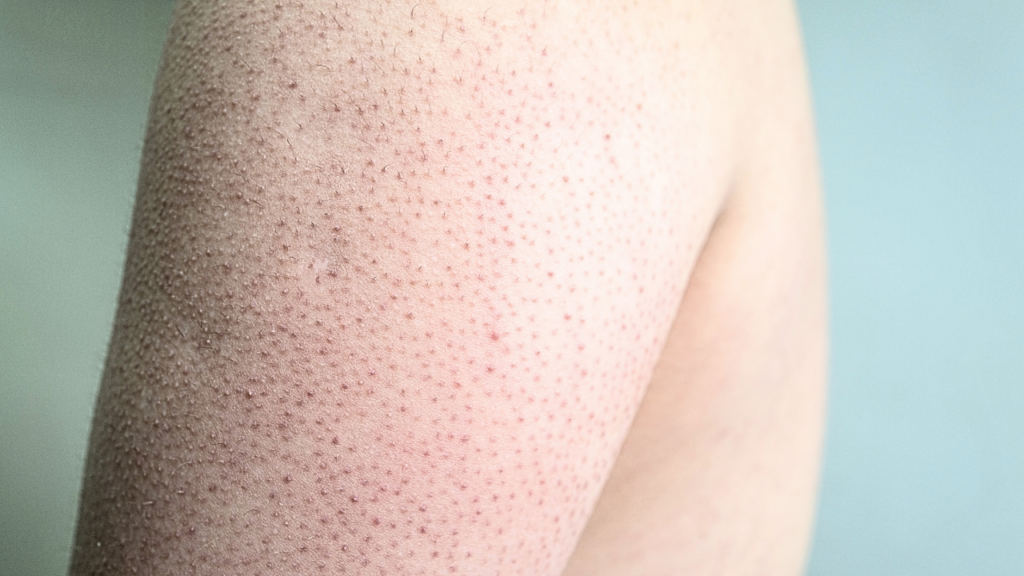
The first-line treatment for keratosis pilaris is regular moisturizing with creams that contain lactic acid, urea, or salicylic acid to smooth the skin.
Finally the 6th most common cause of itchy bumps on the skin is from Contact dermatitis. This happens when the skin reacts to something it touches. This can include soaps, detergents, fragrances, metals like nickel, poison ivy, or certain cosmetics.
The rash often appears exactly where the skin made contact with the trigger. It may cause red, itchy bumps, red patches, swelling, or even blisters. Some reactions happen right away, while others take hours or days to appear. Avoiding the trigger is the most important part of treatment.
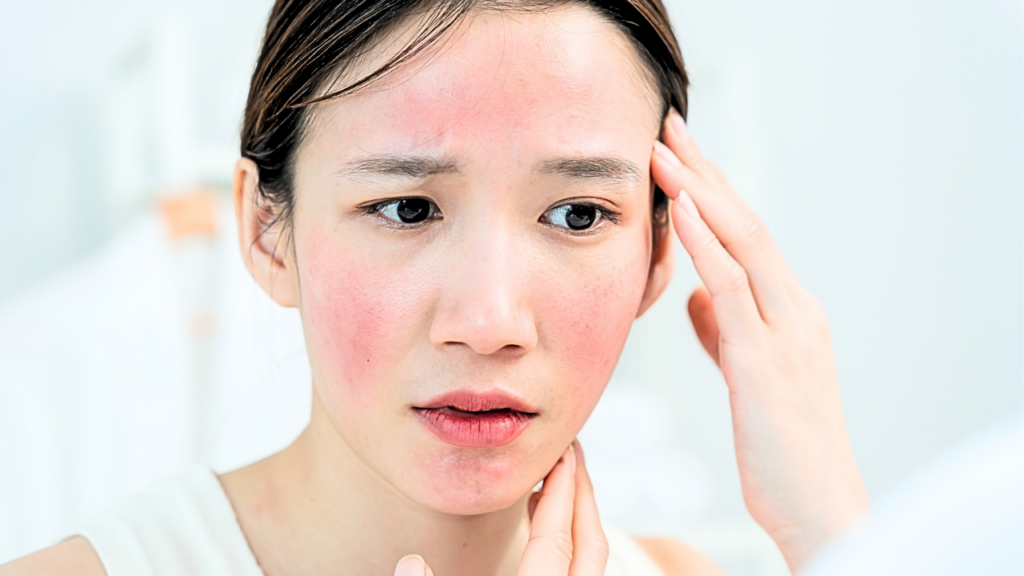
The first-line treatment for contact dermatitis is identifying and avoiding the trigger, along with topical steroid cream to calm inflammation and itching.
Itchy bumps on the skin can come from many causes, including eczema, bug bites, hives, folliculitis, keratosis pilaris, and contact dermatitis. While many of these conditions are mild and treatable at home, persistent itching, spreading rashes, pain, or signs of infection should be checked by a healthcare professional. Understanding the cause is the first step toward calming the itch and helping your skin heal.